The skirmish on 16th September 1776 in northern New York island that restored the confidence of the American troops
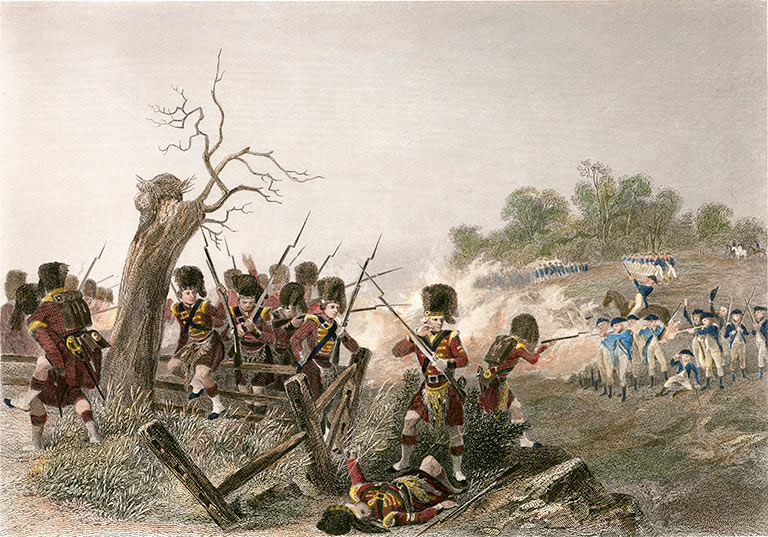
42nd Highlanders at the Battle of Harlem Heights on 16th September 1776 in the American Revolutionary War
The previous battle of the American Revolutionary War is the Battle of Long Island
The next battle of the American Revolutionary War is the Battle of White Plains
To the American Revolutionary War index
Battle: Harlem Heights
War: American Revolutionary War

British troops landing at New York: Battle of Harlem Heights 16th September 1776 in the American Revolutionary War
Date of the Battle of Harlem Heights: 16th September 1776
Place of the Battle of Harlem Heights: Manhattan Island, New York, United States of America
Combatants at the Battle of Harlem Heights: Small forces of Americans and British
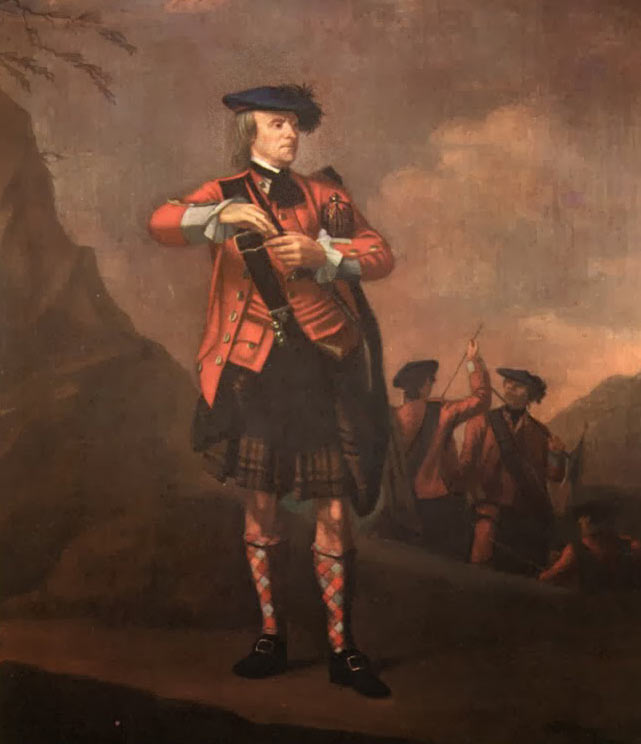
Highlander of 42nd ‘Black Watch’: Battle of Harlem Heights 16th September 1776 in the American Revolutionary War: picture by William Skeoch Cumming
Uniforms, arms and equipment at the Battle of Harlem Heights: The British wore red coats, with bearskin caps for the grenadiers, tricorne hats for the battalion companies and caps for the light infantry.
The Americans dressed as best they could. Increasingly as the war progressed regular infantry regiments of the Continental Army wore blue uniform coats, but the militia continued in rough clothing.
Both sides were armed with muskets, bayonets and cannons mostly of small calibre. The Pennsylvania regiments and other men of the woods carried long, small calibre, rifled weapons.
Winner of the Battle of Harlem Heights: An inconclusive fight which revived American morale but had no particular benefit for either side.
British Regiments at the Battle of Harlem Heights:
The composite light infantry battalion (comprising light infantry companies from most of the regiments of foot), 33rd Foot and 42nd Foot, the Black Watch.
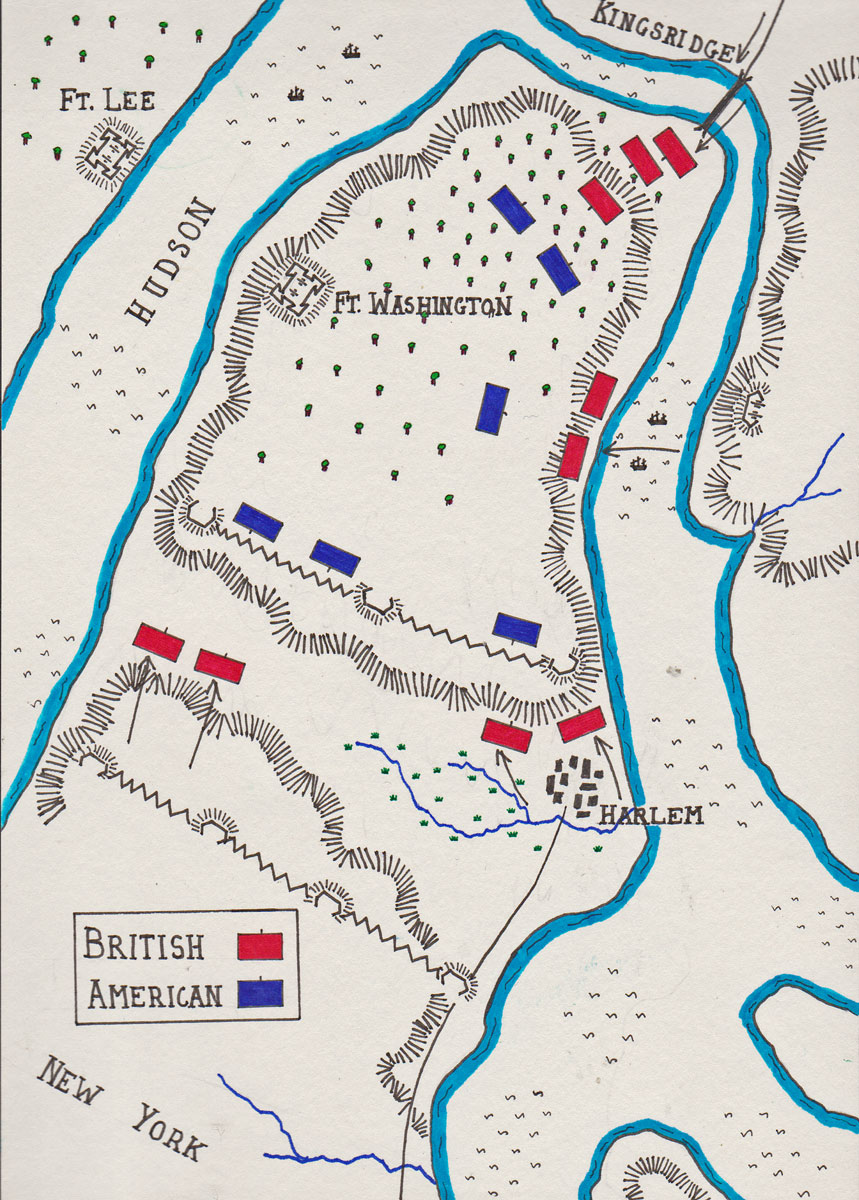
Map of the Battle of Harlem Heights on 17th September 1776 in the American War of Independence: battle map by John Fawkes
Account of the Battle of Harlem Heights:
Following the American defeat at the Battle of Long Island on 27th August 1776, General George Washington’s army, comprising troops from the Continental Army and regiments of colonial militia, crossed to the Island of New York (now the Island of Manhattan).
Major-General William Howe’s army of British and Hessian troops crossed over to the Island of New York and began to drive the Americans northwards, up the island.
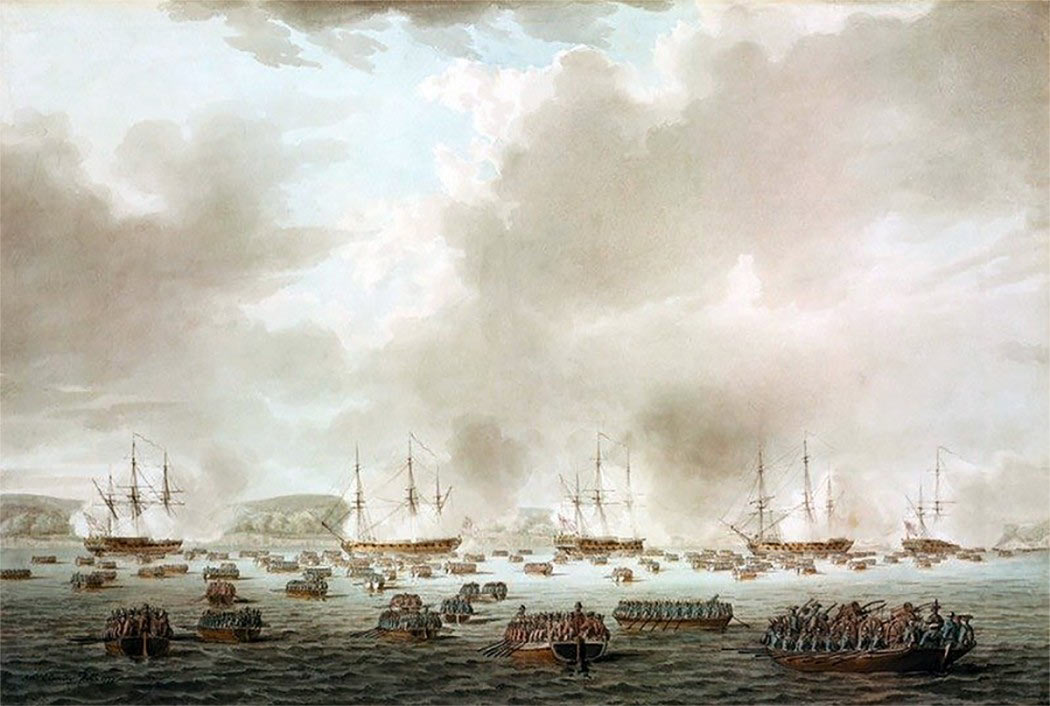
British landing at Kips Bay on 15th September 1776: Battle of Harlem Heights on 16th September 1776 in the American Revolutionary War: picture by Robert Clevely
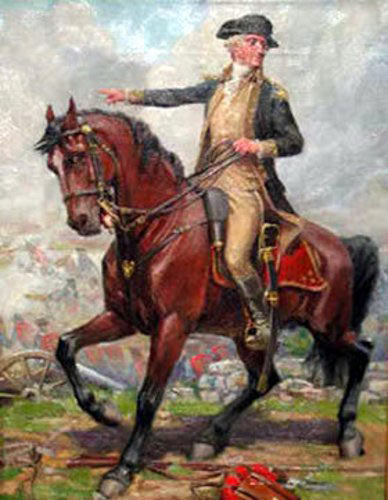
General George Washington at the Battle of Harlem Heights on 16th September 1776 in the American Revolutionary War: picture by John Ward Dunsmore
General George Washington was in considerable anxiety at the inability of his troops to stand up to the British and Germans of General Howe’s army. Step by step the Americans were being driven off the Island of New York.
On 15th September 1776, a British force landed at Kips Bay on the west side of the island and the Virginia militia fled before them. Washington now held only the northern plateau of the island, around the fortification of Fort Washington on the Hudson shore.
On 16th September1776, Washington sent a party of New England Rangers under Lieutenant Colonel Thomas Knowlton to scout the British movements to the south of his position.
Knowlton descended from the northern plateau into an area of lower ground known as the Hollow Way and on to the next plateau. There his party of around 120 men encountered the British light infantry piquets and firing broke out. More British troops from the 42nd Highlanders came up and the small party of Rangers was forced to retreat in some haste, with the British in pursuit.
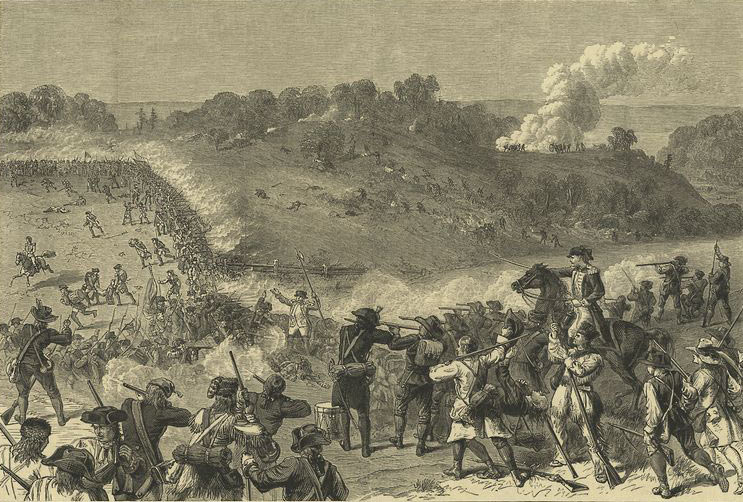
Battle of Harlem Heights on 16th September 1776 in the American Revolutionary War
It is said that the Americans officers on the northern plateau were particularly enraged to hear the British light infantry bugle horns playing derisive fox hunting calls. Washington ordered a force forward to lure the party of British further onto the plateau, while a second force moved around the British right flank and cut them off from the southern plateau and further reinforcement.
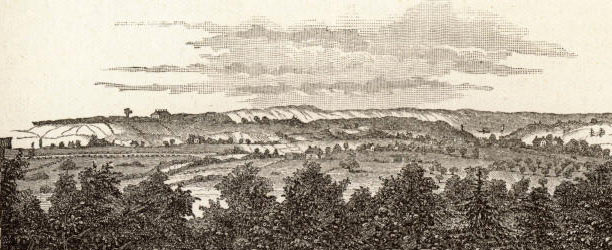
Harlem Heights: Battle of Harlem Heights on 16th September 1776 in the American Revolutionary War
The light infantry and highlanders took the bait and moved further onto the northern plateau as the Americans fell back before them. The American flanking party, as they moved south around the light infantry and highlanders, encountered some British troops and firing broke out, warning the light infantry that they were in a perilous position. Under persistent attack, the British retreated to a field in the Hollow Way, where they were joined by troops from the 33rd Foot, with some Hessians and guns. The fighting continued for an hour until the imminent arrival of more British forces caused Washington to call his troops back.
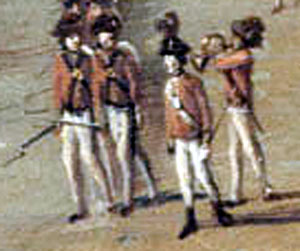
British Light Infantry with a bugle horn player: Battle of Harlem Heights on 16th September 1776 in the American Revolutionary War
Casualties at the Battle of Harlem Heights: This was a skirmish in which probably around 70 British were killed and the same number of Americans. Lieutenant Colonel Thomas Knowlton, the commander of the American party, was killed.
Anecdotes from the Battle of Harlem Heights:
- The British light infantry used bugle horns, rather than the drums of the line and grenadier companies. It is said that, at the Battle of Harlem, the light infantry bugle horns sounded “Gone away” on seeing the American troops retreating. “Gone away” is the call given in fox hunting, when the fox is seen to be running, to call the hounds to chase. It is said that George Washington, a fox hunting man, was incensed at the sound and ordered Thomas Knowlton to carry out the outflanking advance with his Connecticut Rangers. An unfortunate consequence was the death of Knowlton, an experienced and valuable officer.
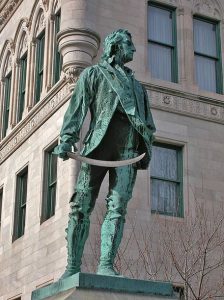
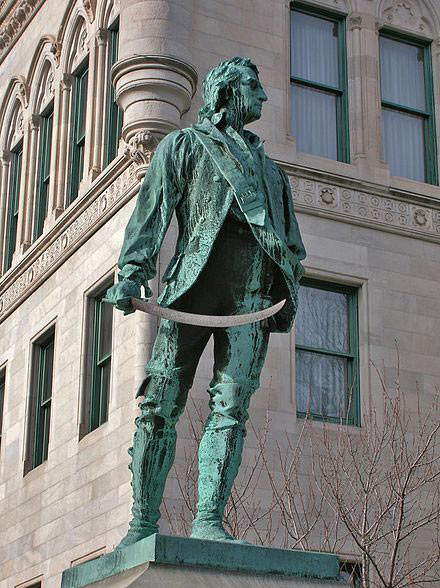
Statue to Thomas Knowlton in Hartford Connecticut: Battle of Harlem Heights on 16th September 1776 in the American Revolutionary War
- The importance of this action for the Americans was that it was the Virginia militia, who had fled the day before, who fought steadily and effectively alongside the Northern Rangers, going a long way to restoring the confidence of the American army.
- Lieutenant Colonel Thomas Knowlton, of Ashford, Connecticut, served through the French and Indian War against the French and the Spanish. In the Revolutionary War, Knowlton fought at the Battles of Bunker Hill (he appears in Trumbull’s picture of the death of General Morgan at Bunker Hill as the standing man in the white shirt) and Long Island. Knowlton formed a scouting force and was commanding it at Harlem Heights when he was killed. A statue was raised in Knowlton’s honour in the state capital, Hartford, Connecticut.
- During the British advance up New York Island one of Knowlton’s American officers, Captain Nathan Hale, of Coventry, Connecticut, was caught by the British in civilian clothes acting as a spy. Hale was hanged, saying as his last words ‘I only regret, that I have but one life to lose for my country.’
References for the Battle of Harlem Heights:
History of the British Army by Sir John Fortescue
The War of the Revolution by Christopher Ward
The American Revolution by Brendan Morrissey
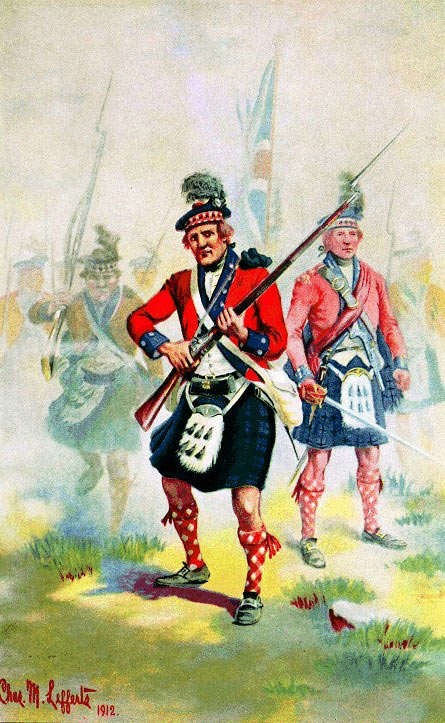
42nd Highlanders at the Battle of Harlem Heights on 16th September 1776 in the American Revolutionary War: picture by Charles M. Lefferts
The previous battle of the American Revolutionary War is the Battle of Long Island
The next battle of the American Revolutionary War is the Battle of White Plains
To the American Revolutionary War index